What are all the cryptocurrencies
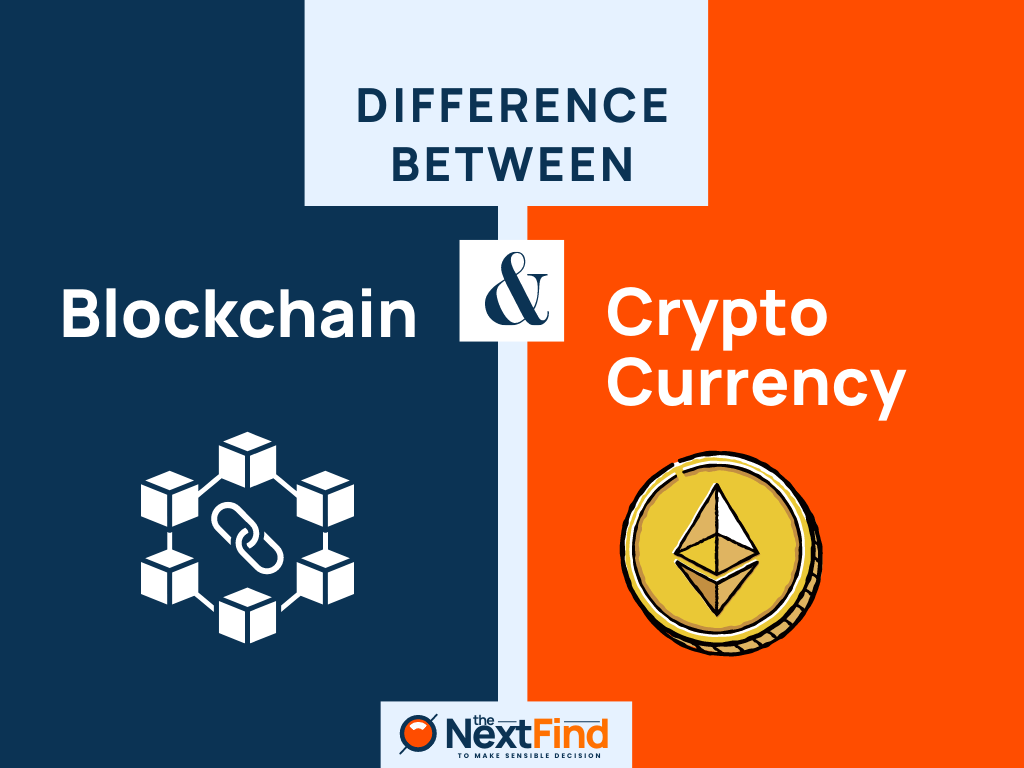
Blockchain is a decentralized digital ledger that securely stores records across a network of computers in a way that is transparent, immutable, and resistant to tampering https://magazroxik.info/rfa-mma/. Each “block” contains data, and blocks are linked in a chronological “chain.”
Bitcoin was the first cryptocurrency to see the light of day, back in 2009. But it wasn’t the cryptocurrency alone that prompted such international interest. Many believe that the more important novelty was Bitcoin’s underlying blockchain technology. Introducing decentralized peer-to-peer blockchains, the technology took the world by storm. For a few years, blockchain ledgers were the defining characteristic of any cryptocurrency. But that all changed with the official launch of IOTA.
Governance tokens are designed to give holders a say in how a decentralised project or protocol is managed. By owning these tokens, you can vote on proposals, suggest upgrades, or decide how funds should be allocated. They support decentralised decision-making and ensure that control remains with the community rather than a central authority.
Are all cryptocurrencies the same
The first thing that makes crypto projects different is their status as legitimate cryptocurrencies. If you don’t know what this means, compare what you already know about Bitcoin to what the press has told us about Facebook’s Libra. Bitcoin is a legitimate cryptocurrency through and through. Libra may not be, depending on what it looks like when it is finally launched.
In addition to trading digital currencies, derivatives contracts are also available on Bitcoin and Ethereum from leading derivatives exchange CME Group (CME -4.98%). Derivatives such as futures and options are primarily used as a hedge against price fluctuations in the underlying asset.
A genuine cryptocurrency establishes within its code whether or not new tokens can be created. If so, the code dictates how those new coins can be created and who will own them. If not, the code specifies the maximum number of coins that will ever be in circulation.
The first thing that makes crypto projects different is their status as legitimate cryptocurrencies. If you don’t know what this means, compare what you already know about Bitcoin to what the press has told us about Facebook’s Libra. Bitcoin is a legitimate cryptocurrency through and through. Libra may not be, depending on what it looks like when it is finally launched.
In addition to trading digital currencies, derivatives contracts are also available on Bitcoin and Ethereum from leading derivatives exchange CME Group (CME -4.98%). Derivatives such as futures and options are primarily used as a hedge against price fluctuations in the underlying asset.
Cryptocurrencies all
Welcome to CoinMarketCap.com! This site was founded in May 2013 by Brandon Chez to provide up-to-date cryptocurrency prices, charts and data about the emerging cryptocurrency markets. Since then, the world of blockchain and cryptocurrency has grown exponentially and we are very proud to have grown with it. We take our data very seriously and we do not change our data to fit any narrative: we stand for accurately, timely and unbiased information.
Cryptocurrencies are digital assets that are secured by cryptography. They use decentralized networks to transfer and store value, and the transactions are recorded in a publicly distributed ledger known as the blockchain. Transactions are verified by network nodes and recorded in a public distributed ledger known as the blockchain. Cryptocurrency transactions are secure, and are verified by a decentralized network of computers.
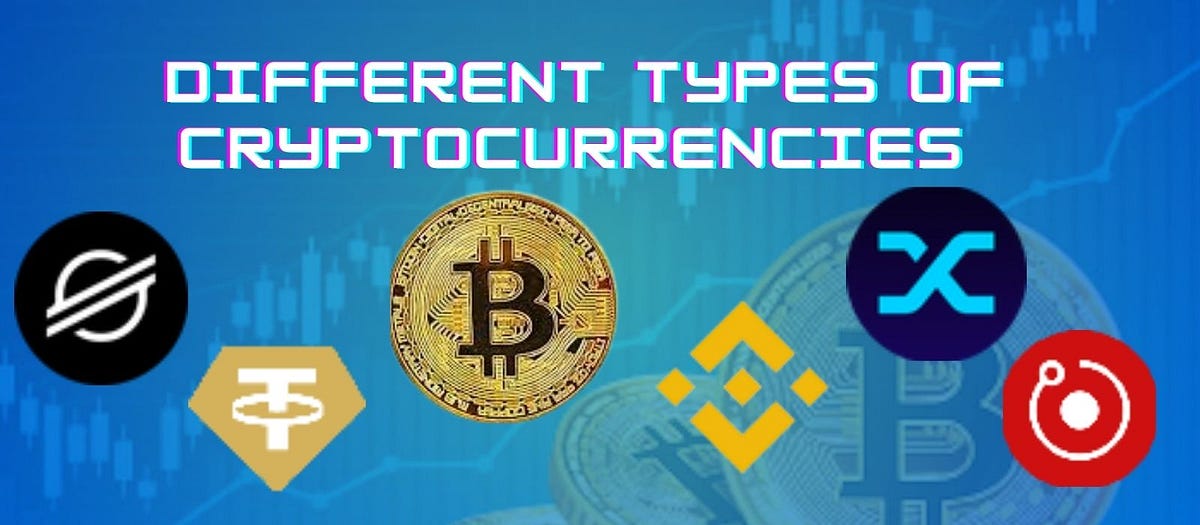
The very first cryptocurrency was Bitcoin. Since it is open source, it is possible for other people to use the majority of the code, make a few changes and then launch their own separate currency. Many people have done exactly this. Some of these coins are very similar to Bitcoin, with just one or two amended features (such as Litecoin), while others are very different, with varying models of security, issuance and governance. However, they all share the same moniker — every coin issued after Bitcoin is considered to be an altcoin.